Deep Phi · The structure engine
Information, neither invented nor lost.
Two trades, one discipline: processing images with phiXplorer, guided by φ, Deep Phi’s structural measure — and compressing them losslessly with Phidelity. Deterministic, verifiable, light, on the device.

The core
Two trades, one discipline
Deep Phi processes images and compresses them; it detects what matters in them and checks they were neither invented nor tampered with. Each trade has its own tools — the φ measure guides image processing, compression has methods of its own — but the rules are the same.
| Image processing | Compression | |
|---|---|---|
| Read where the information lives | The φ map shows where structure is: textures, edges, micro-patterns. | Spend bits only where the signal really holds information. |
| Invent nothing, lose nothing | No hallucinated pixel: the model strengthens what is there. | Lossless, or with a maximum error you set and that is guaranteed. |
| Verifiable | Same input, same output, and a map you can look at. | Every file carries the checksum of the decoded data; the result is checked bit for bit. |
| Light, on the device | 0.2 to 0.8 million parameters, in the browser. | Decoding on a microcontroller in a few tens of KB; one core is enough for a camera. |
Image processing — phiXplorer
Super-resolution, enhancement, denoising, deblurring and video restoration, guided by φ.
- Up to +7.3 dB on real ISO 6400 noise
- 100 % in the browser, zero server
- No invented pixel, reproducible output
Compression — Phidelity
A lossless or guaranteed-error format for 8 to 16-bit sensors: infrared, medical, sonar, hyperspectral, depth.
- ×2.3 over the actual storage of a fusion archive
- −35 % against FFV1 on infrared video
- Byte-identical streams on PC and ARM
Detection — φ
Find objects and structures — drones, defects, targets — in visible and infrared light, and track them through video, with φ as a safeguard behind the detector.
- Structure detection validated in our publications, visible and infrared
- Regions of interest without semantics, driven by φ alone
- Deterministic: same input, same result
Verification — fidelity and tampering
Tell whether an image was invented or tampered with: what an upscaler added, what was erased or cloned in a thermal image.
- A zone-by-zone map of the detail an upscaler invented
- Tampering in thermal images: blur, cloning, erasure
- No need for the original image
What is φ
A measure of structure — not a model
φ scores, at every point of an image, how rich the local structure is — independent of meaning. The formula stays inside Deep Phi; only its behaviour ships in the model.
Input
Any image, exactly as it is — no labels, no priors, no setup.
φ map
Hot where structure lives — textures, edges, micro-patterns. Dark where it’s flat.
Structure-aware result
Models spend their effort exactly where φ points, and nowhere else.


Same pixels in, same map out — no randomness, nothing hallucinated. φ is a deterministic measure you can audit, not a generative model you have to trust.
Explore the technology →Deterministic by nature
φ, seen as a relief of structure
Read an image as a landscape: peaks where structure is dense — feathers, edges, texture — plains where it is flat. The very same pixels always produce the very same surface. A measurement, drawn to the pixel.
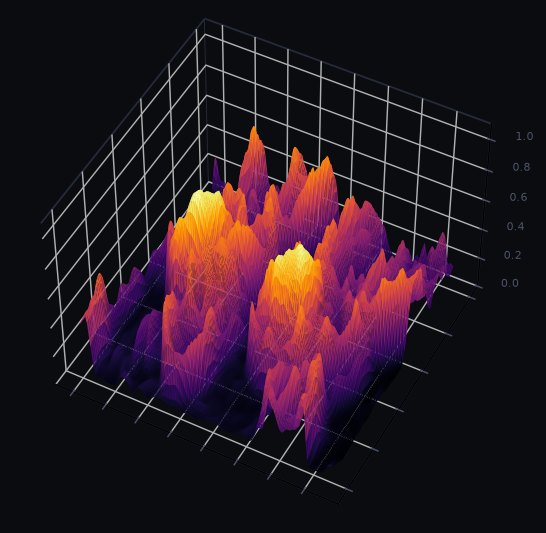 φ in 3D
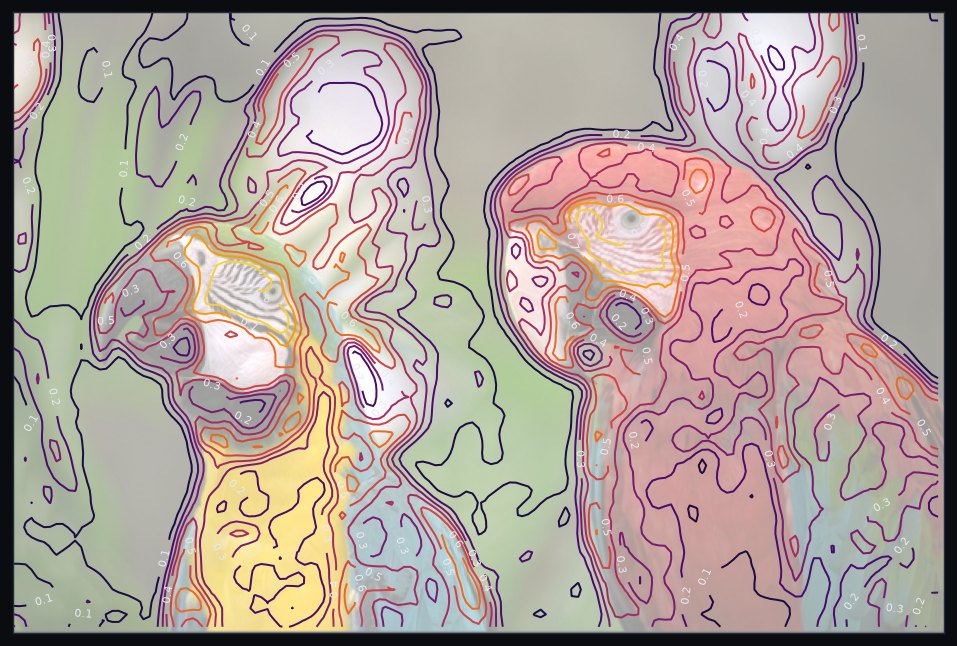 Level curves
Why φ
The least that works, and the proof that it does
Deterministic
Same input, same output. Reproducible and auditable — the opposite of a generative guess.
Featherweight
0.2–0.8M parameters. Runs on-device, inside a browser — no datacenter, no GPU farm.
Transparent
φ’s output is a picture you can look at. You literally see what the model sees.
Two trades
φ guides image processing (super-resolution, enhancement, deblurring); Phidelity compression has methods of its own. Same rules: nothing invented, nothing lost, everything verifiable.
Applications
One structural prior, many pipelines
What ships today, what’s in research, and where φ is heading.
Super-Resolution ×2
● LiveUpscale images and video, structure-first, no invented detail.
φ Enhancement
● LiveContrast and sharpness placed exactly where φ sees structure.
Denoising
● LiveRemoves sensor noise and grain while φ preserves real detail — a small model that keeps structure sharp.
Gradient removal
● LiveAstrophotography: φ lifts the light-pollution and vignetting gradient while preserving stars and nebulosity.
Video ×2
● LiveFrame-by-frame upscaling, encoded to MP4 in your browser.
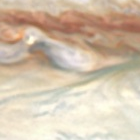
Zoom ×8
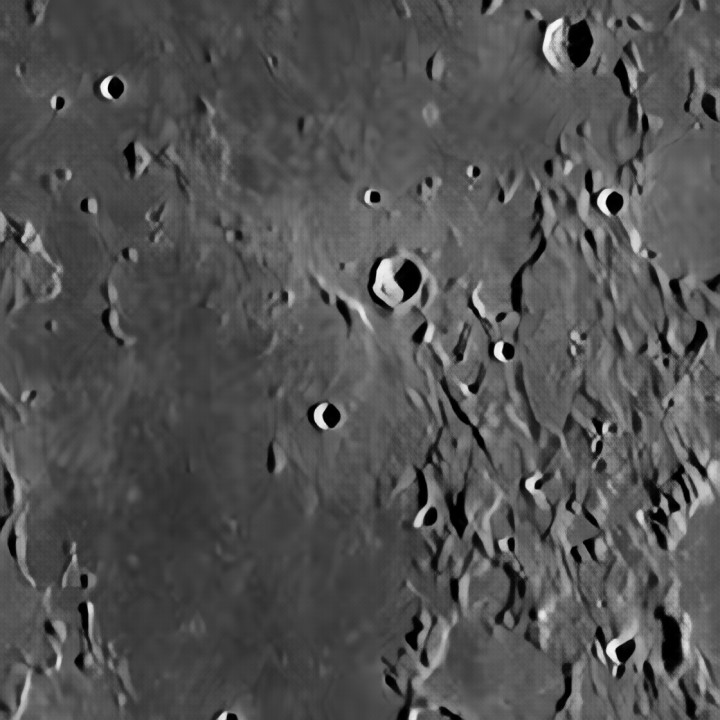
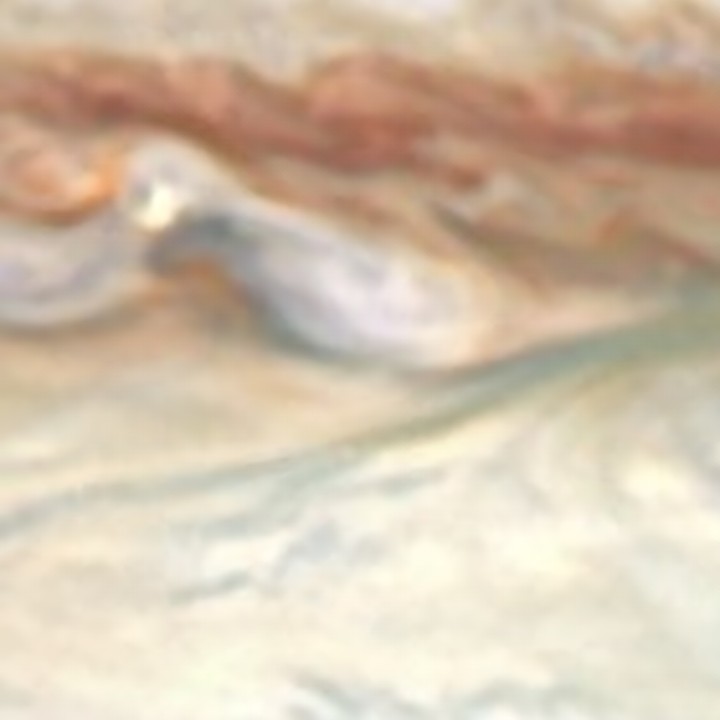
On requestDrag to compareReal low-resolution details, enlarged ×8 — no downscale, nothing hallucinated. A capability preview: run offline, not in the ×2 studio.
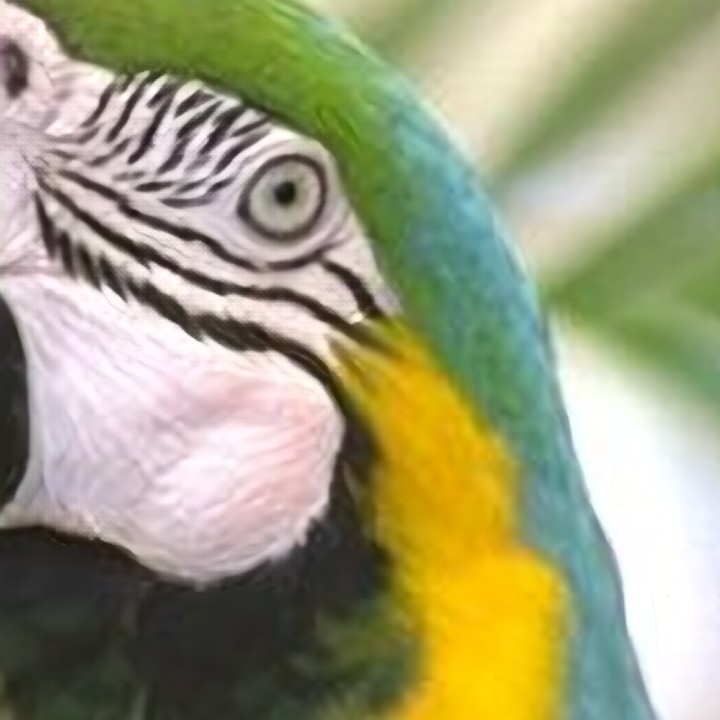
 RealDeepPhi ×8
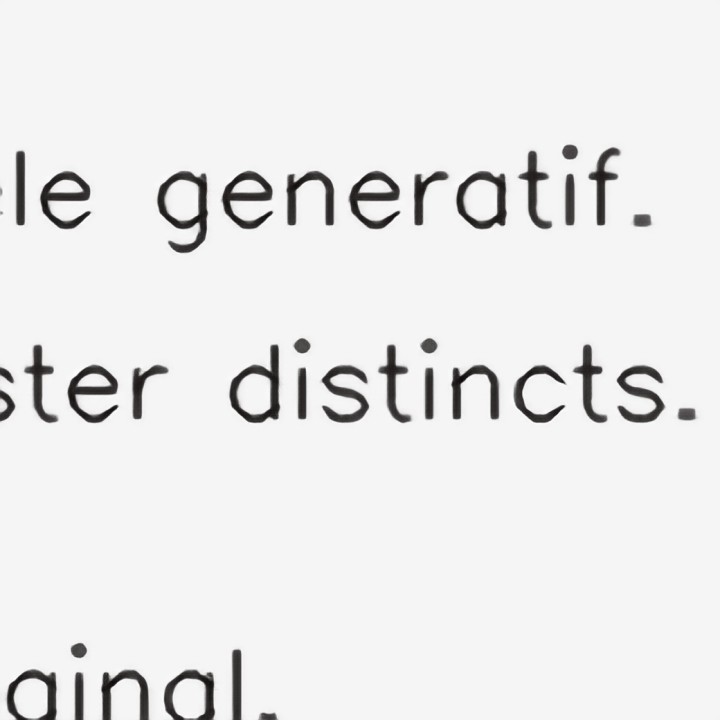
 RealDeepPhi ×8
 RealDeepPhi ×8
 RealDeepPhi ×8

 RealDeepPhi ×8

 RealDeepPhi ×8
×8 model — 4.66 MB, φ inside. Runs offline on your own hardware; available on request.
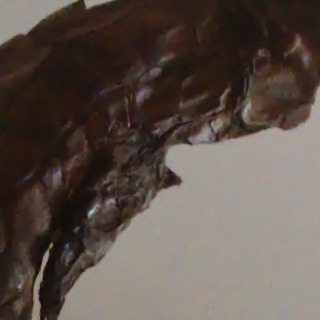
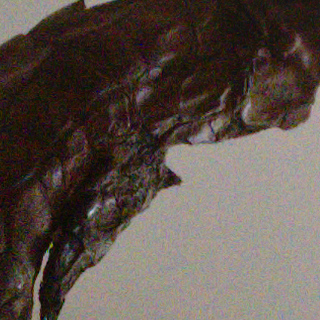
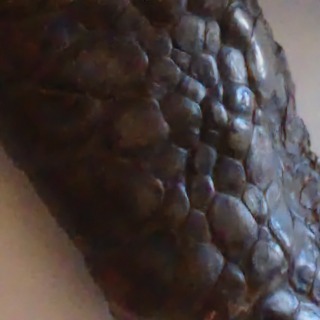
Denoising — real sensor noise
On requestDrag to compareReal camera pairs: the same scene shot at base ISO and at ISO 6400. No synthetic noise — this is what the sensor actually produced. The in-browser studio runs the synthetic-noise model; this is the one trained on real noise. Hover for the pixel loupe.
 ISO 6400DeepPhi denoised

 ISO 6400DeepPhi denoised
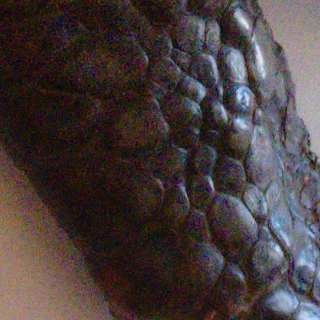 ISO 6400DeepPhi denoised
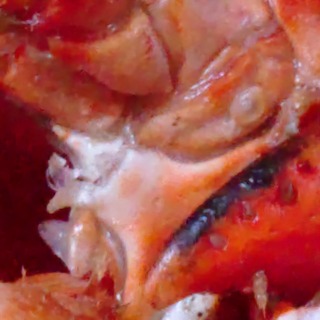
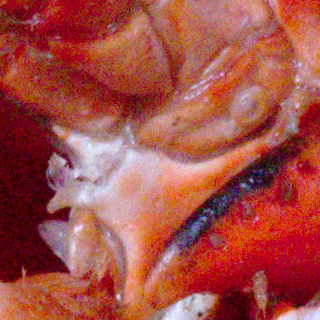 ISO 6400DeepPhi denoised
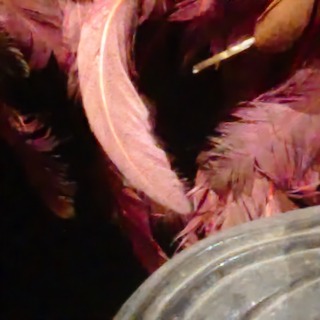
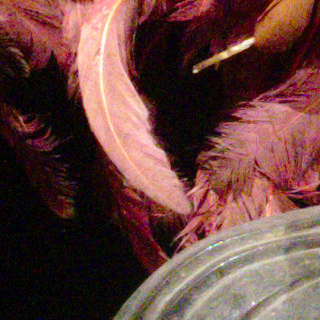 ISO 6400DeepPhi denoised
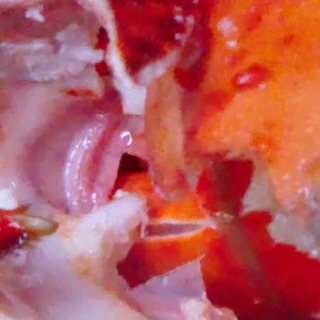
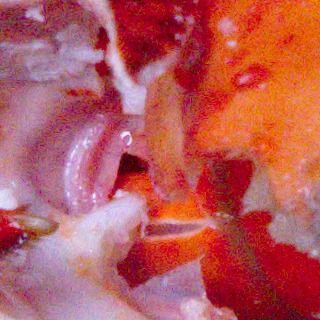 ISO 6400DeepPhi denoised
Real-noise model — 0.71 MB, φ inside: the same size as the one running in the studio, but trained on genuine camera pairs instead of synthetic noise. +3.4 dB over the in-browser model on real photographs, up to +7.7 dB on the noisiest. Runs offline on your own hardware; available on request.
Source pairs: NIND — Natural Image Noise Dataset, by Trougnouf (Benoit Brummer) — CC BY 4.0.
Weather radar archives
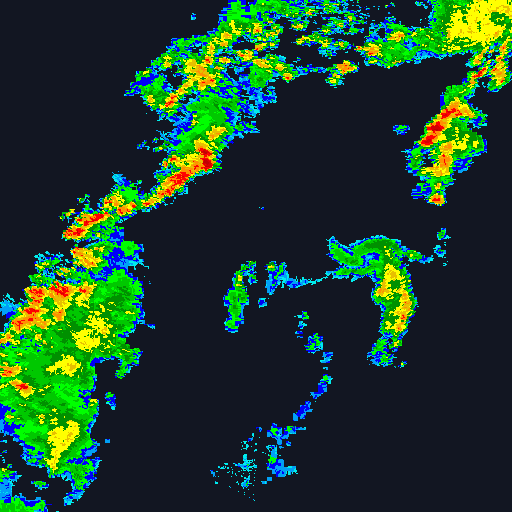
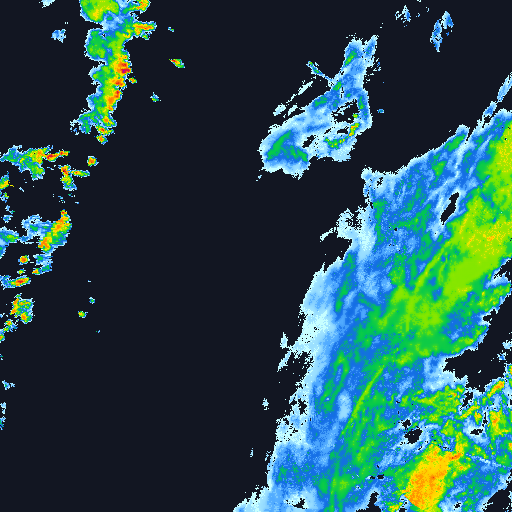
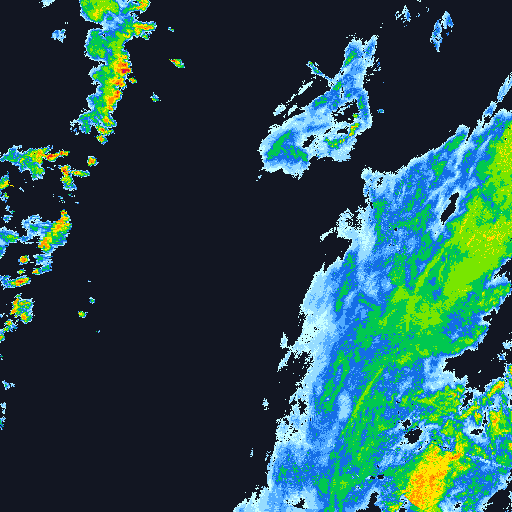
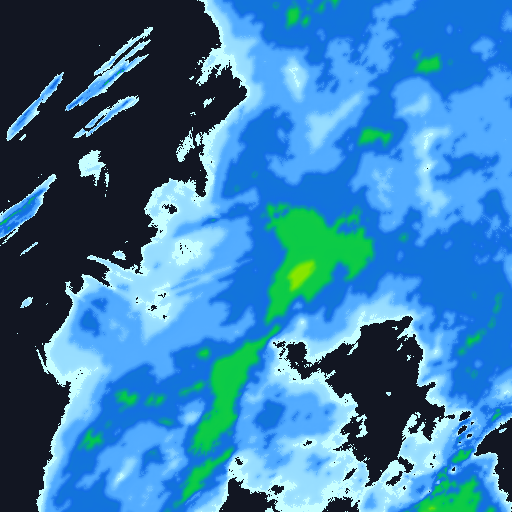
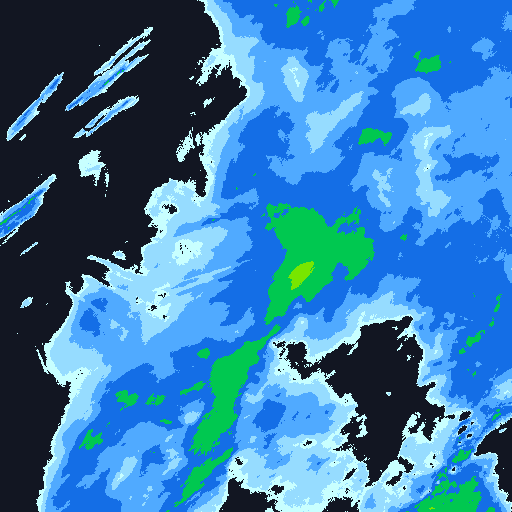
ResearchDrag to compareRadar maps archived as images keep only a colour per pixel: the rainfall itself is lost. Drag the slider: left, the archive as stored; right, the rain recovered inside each colour — never outside it.
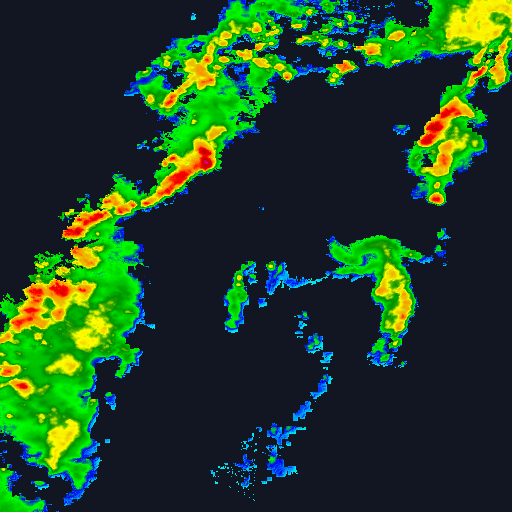
 ArchiveRecovered
 ArchiveRecovered
 ArchiveRecovered
On a real archive and a whole year never seen (2016, 19 million rain pixels): 28 % less error than the best colour-by-colour reading — more than 2.5× the gain of the classic restoration method — and the yearly rainfall total within 1.5 % instead of 7.2 %. Our compact model matches a state-of-the-art network with 32× fewer parameters and runs 1.8× faster on an ordinary CPU (a whole continental map in about 7 s; 0.7 s on a consumer GPU). A high-accuracy version goes beyond the state of the art with 8× fewer parameters.
Data: NOAA NEXRAD composites archived by the Iowa Environmental Mesonet (Iowa State University); Deutscher Wetterdienst (DWD) open data; Météo-France COMEPHORE reanalysis (Licence Ouverte).
Roadmap
From a measure to a platform
Foundations
φ core, dense structural maps, on-device inference.
phiXplorer
The web studio — super-resolution, enhancement, video. This site.
Deep Phi platform
Specialised models per domain, batch tooling, quality metrics.
SDK & Cloud API
φ-guided processing as a building block for your own products.